Join us at the Innovators Summit and drive growth in 2026
Innovators and experts are converging in Charlotte to focus on building capabilities and strategies for IMPACT. If you want to explore innovation growth drivers and discover ways to stay at the forefront of innovation, don’t miss the Innovators Summit from May 6-8.
- WHY ATTEND
- AGENDA
- SPEAKERS
- HOTEL
- PARTNERS
- KNOW BEFORE YOU GO
- CTO Forum – Wednesday, May 6
What to Expect at the Innovators Summit
- A stronger, faster innovation pipeline — how to break silos, pick the right mix of projects, and measure what really drives growth and impact.
- Growth powered by platforms, partners, and co-innovation — moving beyond one-off wins to scalable, repeatable innovation engines.
- AI that actually delivers — from agentic AI to practical use cases that accelerate R&D, decision-making, and time to market.
- Teams built for disruption — how to structure, upskill, and equip cross-functional teams to thrive with AI, uncertainty, and constant change.
- Sustainability that creates value — designing for the full product lifecycle while navigating regulation, risk, and competitive advantage.
- The forces reshaping innovation — demographics, energy, geopolitics, and global competitiveness that will define the next decade of growth.
What You Will Gain

Build Relationships: Connect with subject matter experts, industry leaders, and fellow innovators during formal and informal networking time.

Collaborate: Find your next partner, big idea, or solution to a challenge during collaborative, interactive sessions.

Get Cutting-Edge Insights: Straight from the experts, get a combination of high-level perspective and practical action items you can apply to your organization.

Meet the Experts: Rub elbows with keynotes and other top innovators during small group discussions.

Discuss Timely Topics: Engage in interactive sessions on regulatory shifts, workforce, and balancing bold innovation with certainty.

Tech Treks: Join a Tech Trek to get a window into other innovators’ work and see new technologies in action.
Summit registration is limited to end-user manufacturing organizations and approved academia. Solution providers and organizations that provide any form of technology and/or consulting products and services to manufacturers but do not manufacture any products are not permitted to attend outside of sponsorship.
| Wednesday, May 6 |
|---|
| 8:00 a.m. – 1:00 p.m. CTO Forum (CTOs or equivalent only) See separate tab for full details Sponsored by Forvis Mazars |
| 8:30 a.m. – 12:00 p.m. Pre- Conference Workshops (select one) (breakfast available from 8:00 a.m.) |
| Mastering the Messy Middle: A Peer Workshop on Incubation Practices David Matheson, President & CEO, SmartOrg and Doug Williams, Associate Director, Innovation, SmartOrg This workshop focuses specifically on the Incubation phase – the phase of innovation between early discovery (where possibilities are explored) and acceleration (where proven business models scale). In Incubation, teams must transform technical promise or early concepts into a credible, evidence-backed business case. This is where uncertainty is highest, data is incomplete, and traditional governance systems often struggle to distinguish real progress from activity. In this highly interactive and intimate peer-to-peer session, we’ll use a common framework to reflect on how your organization manages incubation today. Drawing on the Discovery–Incubation–Acceleration model (adapted from Professor Gina O’Connor) and SmartOrg’s Six Vs framework, we will examine how leading organizations structure learning, reduce risk, and make confident punt/pivot/persevere decisions. Participants will share real-world practices, compare approaches across organizations, and identify specific opportunities to upgrade their own incubation systems, leaving with a personalized reflection map highlighting strengths, gaps, and concrete next steps to make the incubation process more effective, efficient, and evidence-driven. |
| From Concept Abundance to Concept Validation: Using AI to Build, Test, and Validate Innovation Concepts in Real-Time Sean Ammirati, Founder, CEO of Growth Signals This workshop focuses on one of the biggest new challenges in AI-enabled innovation: moving from concept abundance to concept validation. AI has made it possible to generate ideas at a speed and scale that would have been unthinkable a few years ago. What once took months of brainstorming, research, and refinement can now happen in a matter of hours. The real challenge is no longer generating concepts. It is determining which ones are actually worth pursuing. In this highly interactive, hands-on session, participants will bring a real innovation challenge and use AI to build a structured concept around it. From there, they will pressure-test that concept using synthetic customer personas designed to simulate realistic buyer reactions, objections, and feedback before any significant development investment is made. Through this process, participants will explore how AI can support not just ideation, but also concept refinement, early validation, and better front-end decision-making. The session is designed for leaders responsible for advancing concepts through stage-gate and portfolio processes, and for anyone evaluating how AI can accelerate innovation work in practical, measurable ways. Participants will leave with a more fully developed concept based on their own challenge, synthetic customer validation insights to help assess its potential, a practical framework for applying AI across the innovation pipeline, and complimentary platform access for two weeks to continue building and testing after the session. Note: Participants should come prepared with a concept, whether real or hypothetical, that they are willing to explore and share with others. |
| 12:00 p.m. – 1:00 p.m. Lunch |
| 1:00 p.m. – 1:15 p.m. Welcome and Opening Remarks |
| 1:15 p.m. – 2:00 p.m. Opening Keynote: Florian Schattenmann, Chief Technology Officer and VP, Innovation and R&D, Cargill Forces Shaping the Next Era Explore the global forces reshaping industry, technology, and innovation, and what they mean for organizations navigating rapid change. Gain perspective on how you can anticipate disruption, build resilience, and position your enterprise for long-term impact. |
| 2:00 p.m. – 2:45 p.m. Driving the Innovation Pipeline for Impact Drew Child, Vice President of R&D, Milliken & Company Balancing structure and creativity in new product development (NPD) is a persistent challenge. A well-defined NPD process is essential for managing portfolios and accelerating project velocity, yet too much rigidity can stifle innovation. Learn about Milliken’s journey to strike that balance—resulting in a harmonized NPD framework that maintains core process elements across the organization while allowing tailored approaches for different types of product development. The harmonized system not only supports a vibrant innovation culture but also generates valuable data for assessing future portfolio value. It enables leaders to evaluate pipeline sufficiency and empowers individual project teams to adapt the process for maximum effectiveness. |
| 2:45 p.m. – 3:15 p.m. Networking Break |
| 3:15 p.m. – 4:15 p.m. Deep Dives (select one) |
| Getting the Right Mix of Projects – And Measuring It David Matheson, President & CEO, SmartOrg and Doug Williams, Associate Director, Innovation, SmartOrg Many portfolios are built to deliver predictable results, not meaningful growth, leading to too many small bets and not enough upside. The real challenge isn’t just selecting projects, but actively shaping a portfolio that grows in value over time. In this interactive session, you’ll work with peers to explore what that shift looks like in practice and how to measure whether your portfolio is actually improving. In this chocolate-fueled session, you’ll: – Build a shared innovation portfolio to create a common point of view; – Learn a practical method for segmenting your portfolio into actionable groups; – Explore the most consequential segments, how they should be managed and measured, and where teams often get it wrong; and – Capture key insights you can apply to improve how you manage and measure your own portfolio. |
| Driving Innovation in R&D: Building a Future-Ready Foundation Through Collaborative Digital Transformation Noel Hollingsworth, CEO & Co-founder, Uncountable AI is reshaping how R&D organizations innovate, but the gap between ambition and execution remains wide. This session explores the real barriers holding teams back from effective AI adoption: fragmented data systems, misaligned organizational mindsets, and misplaced expectations. Through practical frameworks and real-world examples, attendees will gain a clear view of what AI-driven R&D requires, from structuring lab data to building a maturity roadmap to driving cross-functional adoption. |
| Innovation Tools – Catalyzing Their Adoption Julie Linsey, Professor, Michael Helms, Sr. Research Scientist, Kristoffer Sjolund, PhD Candidate, George W. Woodruff School of Mechanical Engineering, Georgia Tech R&D organizations rely on a complex mix of tools to accelerate innovation, from foundational AI platforms to design thinking practices and stage-gate methods. Yet adoption of new tools is often uneven, with murky ROI and cultural resistance. What drives successful adoption—and what holds it back? Join us to discuss the results of an NSF sponsored investigation into the adoption of methods across three R&D organizations, highlighting the catalysts and barriers at management, organizational, and individual levels. Gain insight into which factors matter most for adoption and join in for roundtable discussions on how these lessons might apply to your organization. |
| 4:15 p.m. – 4:30 p.m. Transition Break |
| 4:30 p.m. – 5:15 p.m. Innovating Inside and Outside the Core Sean Adam, Vice President, Corporate Strategy, AFL and Pam Henderson, CEO, NewEdge Explore how organizations balance innovation within their core businesses while simultaneously pursuing opportunities beyond them. Hear perspectives on aligning strategy, capabilities, and culture to drive growth both inside and outside the core. |
| 5:15 p.m. – 6:45 p.m. Networking Reception |
| Thursday, May 7 |
| 8:00 a.m. – 9:00 a.m. Breakfast |
| 9:00 a.m. – 9:45 a.m. Harnessing AI for Real World Impact Fireside chat with: Wen Jie Ong, Principal Product Manager – ALCHEMI, NVIDIA and Julie Edgar, CTO, Lubrizol Moderator: Sean Ammirati, Founder, CEO of Growth Signals Hear how NVIDIA and Lubrizol are using AI to deliver tangible business results—from improving productivity and decision-making to unlocking new revenue and operating models. Learn what it takes to move from pilots to scalable deployments, align AI investments with strategic priorities, and measure impact that matters. |
| 9:45 a.m. – 10:30 a.m. Cross-functional Innovation: EMD’s Microphysiological Systems Project Sakshi Garg, Lead – Innovation Strategy, Merck KGaA, Darmstadt, Germany This session explores EMD’s new cross‑business initiative centered on Microphysiological Systems (MPS), cutting‑edge in vitro platforms that model human organ function to accelerate drug development and reduce animal testing. Sakshi will discuss how the initiative came to life, the strategies used to align multiple business units, and the practical lessons learned from driving collaboration at scale. |
| 10:30 a.m. – 11:00 a.m. Networking Break |
| 11:00 a.m. – 12:00 p.m. Deep Dives (select one) |
| AI in New Product Innovation: From Knowledge Chaos to Competitive Advantage Katie Trauth Taylor, CEO, Narratize R&D teams are adopting AI at greater scale each day. Yet AI has only scratched the surface of solving the knowledge management crises that plague innovation teams. Cross-functional misalignment, documentation bottlenecks, and knowledge walking out the door with every retirement — multiplied across every product in our pipelines — and we start to see the real cost: slower innovation cycles, repeated mistakes, and untapped portfolio growth. This session shares how leading R&D teams are deploying AI-powered innovation intelligence and knowledge centralization to cut development cycles by 46%, recover capacity, and align cross-functional innovation teams around a single source of truth. Through real examples from enterprise R&D teams and a hands-on strategic assessment, you’ll score your own organization across five dimensions of knowledge readiness — rating statements like “My team can find any past product decision in under 5 minutes” and “When a senior engineer leaves, their knowledge is fully preserved” — then benchmark against industry patterns and discuss your biggest knowledge gaps with peers at your table. You’ll leave with a personal scorecard and an actionable model for evaluating where AI delivers the highest ROI in your innovation process. |
| Accelerating Time to Value for AI in R&D Nick Talken, CEO & Co-Founder, Albert Invent, and Bob Olsen, VP, Growth & Strategic Partnerships, Albert Invent A structured data foundation unlocks the full potential of AI in R&D, but organizations earlier in their journey can still harness meaningful value from AI. In this workshop, we’ll show how teams can begin extracting insights no matter where their R&D knowledge lives, and build a roadmap for compounding that value as their data matures. Through customer stories and demonstrations spanning handwritten lab notebooks to fully structured databases, we’ll explore how data maturity shapes AI outcomes along the digital transformation journey. Participants will learn how to map their organizations against an AI maturity framework, identify untapped pockets of value, and leave with concrete next steps no matter where they’re starting from. |
| From Silos to Systems: Networked Innovation for Sustainable Innovation Success Deb Wojcik, Executive Director, Research Triangle Cleantech Cluster Innovation doesn’t happen in isolation–it thrives in networks. Drawing on real-world lessons from innovation clusters and the Triple Helix Model of Innovation, this session explores how cross-sector partnerships can unlock new value and accelerate outcomes for companies that are looking to build commercially impactful sustainability-related businesses today. Participants will identify existing and untapped connections within their own ecosystems and leave with practical strategies to build unconventional partnerships that drive innovation forward. |
| Three Universal Principles and Five Dimensions of Differentiation When Implementing GenAI in Manufacturing R&D and Commercialization Processes Dr. Rick Stachel, Gannon University and Lou Musante, Catalyst Connection & Carnegie Mellon University GenAI in manufacturing is increasingly viewed by global AI experts as a transformation of work, culture, and governance rather than a technology swap. At the same time, R&D and commercialization expert opinions do not fully agree on the best starting point. The initial phase of work has surfaced three universal principles and five dimensions of differentiation when implementing transformational technologies such as Gen AI. Some emphasize risk and governance as first approaches, others argue for reconfiguring work and operating models, still others prioritize broad capability building and innovation velocity, and another camp focuses on performance culture and transparent workforce transition. |
| 12:00 p.m. – 1:30 p.m. Innovation Celebration Luncheon Join us as we recognize the finalists of the Innovation Excellence Awards and celebrate their outstanding contributions. During the luncheon, we will announce this year’s award winners and honor the bold ideas, teams, and achievements driving innovation forward. |
| 1:30 p.m. – 2:30 p.m. Next Gen Issue Exploration (select one) |
| Inspiring US Innovation Competitiveness Joe Allen, Executive Director, Bayh-Dole Coalition The Economist Technology Quarterly once said: “Possibly the most inspired piece of legislation to be enacted in America over the past half century was the Bayh-Dole Act of 1980… More than anything, this single policy measure helped reverse America’s precipitous slide into industrial irrelevance.” Bayh-Dole allowed universities, federal laboratories and small companies to own inventions made under grants and contracts, injecting the incentives of our patent system in the federal R&D system. The result was one of the greatest explosions of innovation in human history. Despite its success, today that system is under attack by some on the left and the right. Discuss the nature of these attacks, why they threaten American innovation and what can be done to thwart them. |
| Powering the Future: Energy Demand, Sustainability, and the Next Wave of Innovation David Porter, Vice President, Electrification and Sustainable Energy Strategy, Electric Power Research Institute Learn how rising global energy demand and sustainability imperatives are reshaping innovation priorities across industries. Explore how organizations are responding through new technologies, business models, and partnerships to deliver reliable, sustainable power while driving long‑term growth and competitiveness. |
| Innovation Teams of the Future: Defining the Skills for What’s Next Lee Green, Executive Director, IRI Roll up your sleeves and work with fellow members to collaboratively identify the critical skill sets innovation teams will need to succeed in an era of AI, geopolitical uncertainty, and accelerating disruption. Through facilitated discussion and shared insights, the group will help shape an IRI project focused on talent, capabilities, and operating models for the future of innovation. |
| 2:30 p.m. – 3:00 p.m. Networking Break |
| 3:00 p.m. – 3:45 p.m. Panel: Powering Growth Through Open and Co-Innovation Kei Morita, Vice President, New Technology & CVC, ENEOS Americas, Preeta Datta, Director of R&D and Innovation, Americas, Evonik, and Carol Bessel, Section Head, Translational Programs, Division of Translational Impacts, NSF Moderator: Jeff Sanders, Global Portfolio Leader for CPG, Schrödinger Learn about Evonik, ENEOS Americas, and NSF’s approach to partnering and venturing – and how co-innovation can accelerate your growth through relationships with traditional and non-traditional partners. You’ll walk away with insights into practical approaches for co-innovation that will drive strategic value, scale new ideas and strengthen the innovation pipeline. |
| 3:45 p.m. – 4:30 p.m. Interactive Session: Anticipating Innovation Challenges for the Future Lee Green, Executive Director, IRI Work with your fellow innovators to identify the key issues that will shape innovation in the near future in this interactive session. Share challenges, solutions, and learn what issues are keeping your peers up at night and what they are doing to address them now. |
| 4:30 p.m. – 5:15 p.m. Holland Award Address The Holland Award Address will be delivered by the recipients of the 2025 Maurice Holland Award, presented annually by IRI to honor the most outstanding paper published in the prior year’s volume of Research-Technology Management (RTM). Named for IRI’s founder, Maurice Holland, the award recognizes exceptional thought leadership that advances the practice of innovation and industrial research. During this address, this year’s winning authors will present the findings of their award-winning paper, Integrating AI into the Front End of New Product Development, by Tucker Marion, Chelsea Yuan, and Mohsen Moghaddam. |
| 5:15 p.m. – 5:30 p.m. Closing Remarks |
| 5:30 p.m. – 7:00 p.m. Networking Reception |
| Friday, May 8 |
| 7:45 a.m. – 8:30 a.m. Breakfast |
| Tech Treks Sign up at registration! Limited spots available. For all tours: Please bring government-issued photo ID and wear closed-toed shoes. Choose from: National Gypsum R&D Center Depart Hotel: 8:30 a.m. Drop off at CLT: 11:20 a.m. or Return to Hotel: 11:50 a.m. Registration for this tour is limited to companies that are not direct competitors to National Gypsum. Discover Innovation at National Gypsum’s Technology Innovation Center Step inside the future of building materials at National Gypsum’s Technology Innovation Center in Charlotte. This state‑of‑the‑art facility is where science, sustainability, and design converge to shape the next generation of construction solutions. During your exclusive tour, you’ll experience firsthand how gypsum products are tested, refined, and engineered to meet the evolving demands of modern architecture. From advanced fire resistance and acoustical performance to groundbreaking sustainability initiatives, the Technology Innovation Center showcases the research and development that drives high-performing, sustainable products that meet our customers’ toughest standards. Attendees will have the opportunity to explore interactive demonstrations, view cutting‑edge testing equipment, and engage with experts who are redefining what’s possible in resilient, environmentally responsible building systems. Whether you’re passionate about sustainable design, curious about the science behind everyday materials, or eager to see innovation in action, the Technology Innovation Center offers an inspiring glimpse into the future of construction. Don’t miss this chance to connect with industry leaders and witness how National Gypsum is building products for a better future Albemarle Mine and R&D Center Depart Hotel: 8:30 a.m. Drop off at CLT: 1:30 p.m. or Return to Hotel: 2:00 p.m. Registration for this tour is limited to companies that are not direct competitors to Albemarle. Ever wonder how your phone’s battery works? Or where the lithium for an electric vehicle or a pacemaker comes from? Or how lithium is used to make airplanes lighter? Join us at Albemarle’s King’s Mountain site to see where lithium comes from, how it’s processed into critical ingredients for mobility, energy, connectivity and health. You’ll see first-hand what it takes to start-up a mine responsibly and sustainably. Discover how minerals in the ground are transformed into chemicals that are essential for our modern lives. Learn how lithium materials are incorporated into today’s revolutionary lithium-ion batteries, life-saving pacemakers and medicines. And get a glimpse into the innovations that will shape future sustainable lithium extraction and tomorrow’s battery chemistries. Come visit one of the few places in the world where you can experience the entire lithium value chain – from mine to market – in one location. You’ll never look at your cell phone the same way again! Attire requirements: Long pants that fully cover the legs and ankles and flat closed-toed shoes. Sneakers are acceptable. Shoes must be sturdy (no sandals, flats, heels, or open backs). No skirts, shorts, or cropped pants are permitted. Weather permitting, attendees will need to walk between some locations on site, so participants should plan to spend about two hours on their feet. Participants will be required to sign liability and photography release forms on site. If you would like to review a copy of these in advance, please let us know. Lunch will be provided. If you would like to drive yourself to the site, you must let us know by Monday, May 4. Spaces are limited. NC Food Innovation Lab Depart Hotel: 8:30 a.m. Drop off at CLT: 12:00 p.m. or Return to Hotel: 11:30 a.m. Check out the North Carolina Food Innovation Lab (NCFIL), a cutting-edge R&D facility unlocking the state’s food manufacturing potential. As the nation’s only lab with cGMP capabilities dedicated to supporting plant-based food innovations, attendees will get to see the best and latest in food science. On this exclusive tour, you will get to see how food scientists translate companies and entrepreneurs’ ideas to market. From product ideation to pilot plant production and from researching raw materials to commercialized products, attendees will experience a holistic view on the food innovation process. Furthermore, attendees will hear from the nation’s top food scientists on how they maximize the state’s manufacturing output through their research. This tour is a perfect opportunity to explore how one food lab turns a variety of ideas into products. Attire requirements: Flat, closed-toed shoes and long pants are required. Jewelry is prohibited in the pilot plant and product development test kitchen area. Please limit the use of perfume and cologne when visiting our facility. Hairnets must be worn in all production and test kitchen areas. Beard nets must be worn by an individual that has any amount of facial hair. Hats may only be worn in place of hairnets if an individual has a shaved or bald head. |
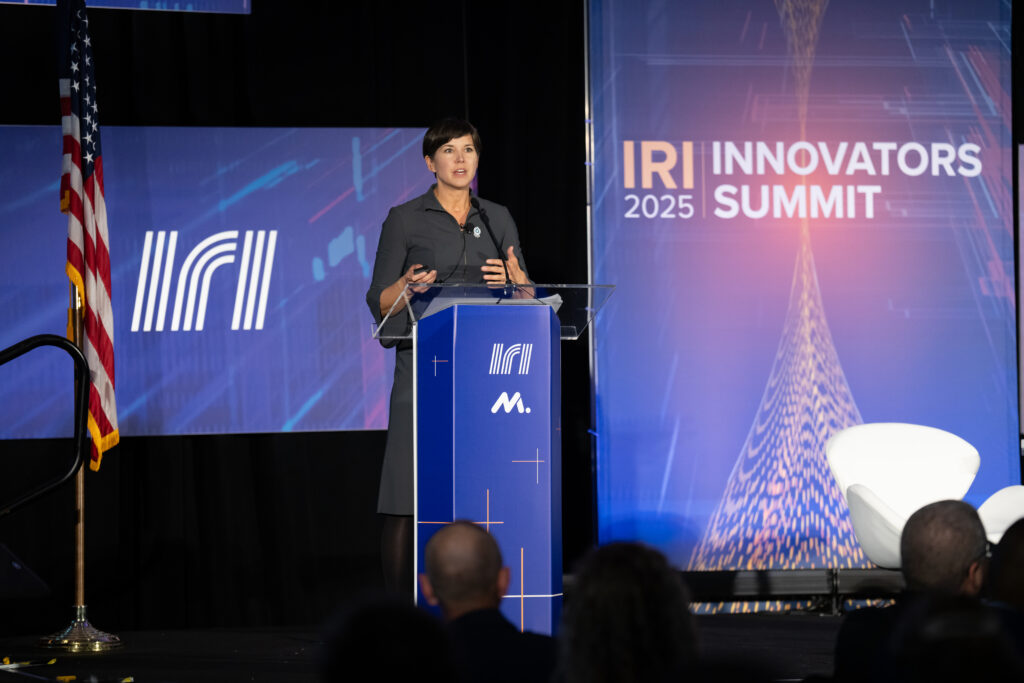
You’ll hear from innovators and experts at the forefront of the field, offering insights on new trends, strategies, and effective approaches to innovation. Don’t miss the chance to connect with peers and learn from those shaping what’s next.

Florian Schattenmann
Chief Technology Officer and Vice President, Innovation and R&D, Cargill

Drew Child
Vice President of Research and Development, Compliance and Sustainability, Milliken & Company, Textile Division
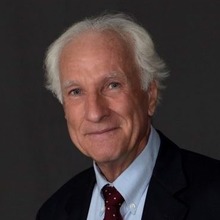





Michael Helms
Co-Director, The Center for Biologically Inspired Design (CBID), Georgia Tech
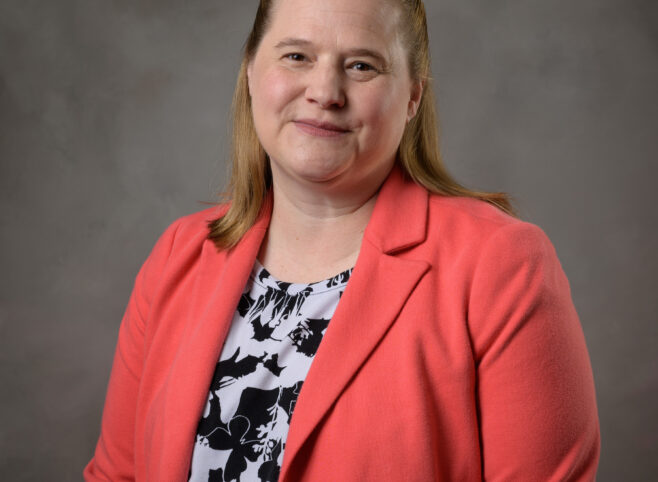

Lou Musante
Adjunct Professor, Corporate Entrepreneurship and Business Liaison, Corporate Startup Lab, a CMU Swartz Center Initiative















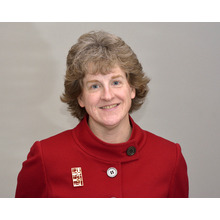
Carol Bessel
Section Head for Pathways for Translation (PFT), U.S. National Science Foundation’s Directorate for Technology, Innovation and Partnerships (NSF TIP)
Group Rate Information
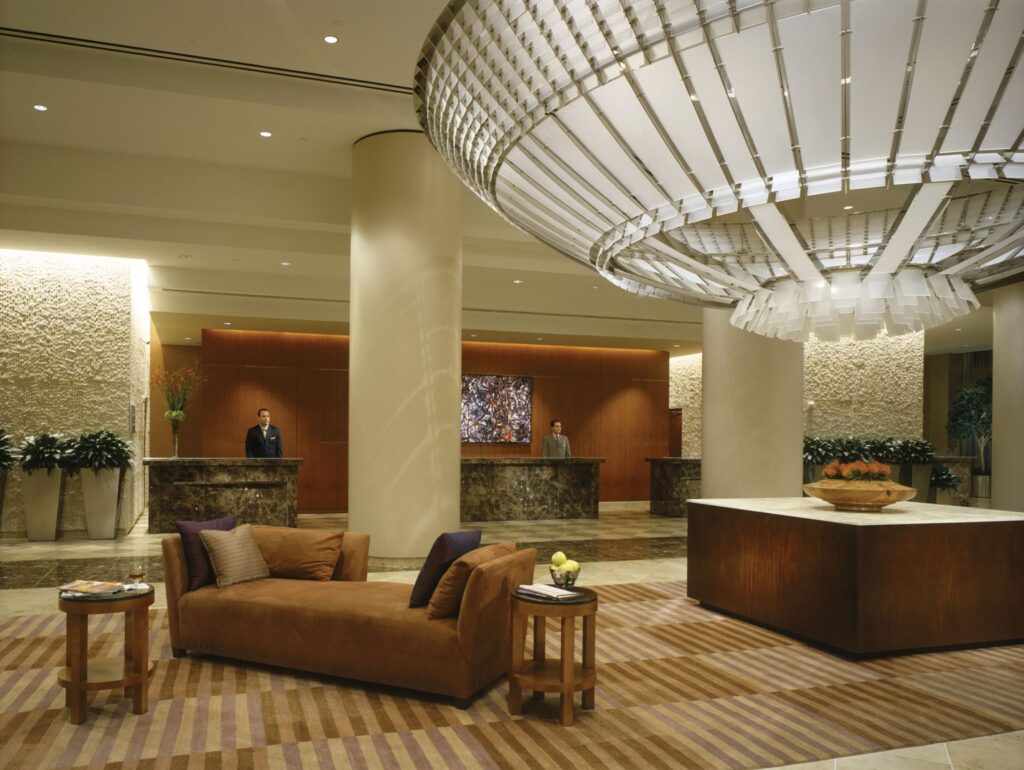
The Westin Charlotte
Book before Monday, April 13, 2026
IRI Innovators Summit
To make your reservations by phone, call (704) 375-2600 and reference the 2026 NAM IRI Innovators Summit.
To make the most of your experience, take advantage of our exclusive group rate at the Westin Charlotte, where a block of rooms has been reserved for just $319.00 per night. To make reservations online, please click on the reservation link above, the group rate will automatically be applied.
The cut-off date for reservations at the group rate is Monday, April 13, 2026, however once the room block is filled (which may be before cut-off) availability and group rate are not guaranteed.
Hotel parking details can be found here.
Overnight self-parking is $35.00.
Overnight Valet parking is $50.00.
Partnership Opportunities with the IRI 2026 Innovators Summit
If you are interested in partnering with us, please fill out the form below or email Anna Chongpinitchai at AChongpinitchai@iriweb.org.
Thank you to our sponsors.








Who You’ll Meet
IRI’s Innovators Summit is designed for CTOs, VPs, Directors, and senior leaders across R&D, innovation, technology, engineering, and new product development. Past participants have included leaders from organizations such as Sonoco, Colgate-Palmolive, Caterpillar, DuPont, Energizer Holdings, GE Aerospace, Halliburton, Michelin North America, Novelis, Owens Corning, and many others.
What to Expect
IRI connects you with a network of innovators and experts who help accelerate time to market, reduce costs, and elevate team performance. To keep you ahead in innovation management, IRI offers content, training, and peer-to-peer learning built around the five innovation growth drivers identified by members each year. Expect presentations, fireside chats, workshops, collaborative sessions, case studies, receptions, and Tech Treks.
Pricing Starts at:
- IRI/NAM/MLC Members:
- Standard: $1,950
Summit registration is limited to end-user manufacturing organizations and approved academia. Solution providers and organizations that provide any form of technology and/or consulting products and services to manufacturers but do not manufacture any products are not permitted to attend outside of sponsorship.
Attire
The dress code for this event is business casual.
The business casual dress code typically includes collared shirts, slacks, dresses, skirts, blouses, and closed-toe shoes. We recommend avoiding jeans, t-shirts, or overly casual clothing items while maintaining a professional appearance.
Attire required for Tech Treks:
See below.
Business Cards
We encourage attendees to bring business cards to network and exchange contact information easily with other attendees, fostering valuable professional connections. They serve as convenient tools for making a lasting impression and staying connected beyond the event.
Nearby Airport
Charlotte Douglas International Airport
Tech Treks
For all tours:
Please bring government-issued photo ID and wear close-toed shoes.
National Gypsum R&D Center
Depart Hotel: 8:30 a.m.
Drop off at CLT: 11:20 a.m. or Return to Hotel: 11:50 a.m.
Albemarle Mine and R&D Center
Attire requirements: Long pants that fully cover the legs and ankles and flat closed-toed shoes. Sneakers are acceptable. Shoes must be sturdy (no sandals, flats, heels, or open backs). No skirts, shorts, or cropped pants are permitted.
Weather permitting, attendees will need to walk between some locations on site, so participants should plan to spend about two hours on their feet.
Participants will be required to sign liability and photography release forms on site. If you would like to review a copy of these in advance, please let us know.
Depart Hotel: 8:30 a.m.
Drop off at CLT: 1:30 p.m. or Return to Hotel: 2:00 p.m.
Lunch will be provided.
If you would like to drive yourself to the site, you must let us know by Monday, May 4. Spaces are limited.
NC Food Innovation Lab
Depart Hotel: 8:30 a.m.
Drop off at CLT: 12:00 p.m. or Return to Hotel: 11:30 a.m.
Attire requirements: Flat, closed-toed shoes and long pants are required. Jewelry is prohibited in the pilot plant and product development test kitchen area. Please limit the use of perfume and cologne when visiting our facility. Hairnets must be worn in all production and test kitchen areas. Beard nets must be worn by an individual that has any amount of facial hair. Hats may only be worn in place of hairnets if an individual has a shaved or bald head.
Hotel Parking
Hotel parking details can be found here.
Overnight self-parking is $35.00
Overnight Valet parking is $50.00
CTOs (or equivalent) only
May 6, 8:00 a.m. – 1:00 p.m.
Designed exclusively for senior technology leaders, the CTO Forum offers a candid, collaborative space to tackle the toughest challenges of leading innovation in uncertain times. Join fellow CTOs to exchange strategies, test ideas, and explore bold solutions that shape the future of your organization.
Sponsored by Forvis Mazars
Select this session when you register for Innovators Summit.
| Wednesday, May 6 |
|---|
| 8:00 a.m. – 8:30 a.m. Breakfast |
| 8:30 a.m. – 9:00 a.m. Welcome and Opening Remarks |
| 9:00 a.m. – 10:00 a.m. Interactive Team Challenge: Designing a Future-Ready Global Capability Footprint You will work in small groups to tackle a real-world scenario: rebalancing a global R&D and capability footprint in response to shifting markets, talent dynamics, cost pressures, and geopolitical risk. Key Decision Areas – Where global capabilities should be located in the future – How to ensure critical expertise, leadership pipelines, and knowledge continuity – How closely R&D should be integrated with customers and external partners – What must change in organizational structure, governance, and operating models |
| 10:00 a.m. – 10:15 a.m. Break |
| 10:15 a.m. – 11:00 a.m. Featured Speaker: Joe Allen, The Bayh-Dole Coalition The Law That Made U.S. Innovation Scalable—and Why CTOs Should Care The Economist Technology Quarterly once called the Bayh‑Dole Act of 1980 “possibly the most inspired piece of legislation enacted in America over the past half century,” and for CTOs, the reason is clear. Before Bayh‑Dole, federally funded breakthroughs were routinely pulled into government ownership and left idle—more than 28,000 inventions went nowhere, and billions in R\&D produced no new drugs or scalable technologies. Bayh‑Dole changed the rules by allowing universities, federal labs, and small companies to own and license IP developed with federal funding, creating the incentives that turn research into products, platforms, and companies. That framework has been foundational to the U.S. innovation engine and a key advantage over global competitors—but today it’s increasingly under pressure from both the left and the right, even as Europe and China double down on tightly integrated research‑to‑commercialization strategies. This session will focus on why Bayh‑Dole matters to CTOs specifically, how proposed changes could slow technology transfer and time‑to‑market, and what’s at stake for America’s ability to lead globally in innovation, scale, and impact. |
| 11:00 a.m. – 12:00 p.m. CTO Curated Dialogue Facilitated peer discussion focused on pre-submitted questions, enabling exchange on shared challenges, emerging practices, and lessons learned across industries. |
| 12:00 p.m. – 12:15 p.m. Wrap-Up and Reflections |
| 12:15 p.m. – 1:00 p.m. Networking Lunch |
5 Innovation Growth Drivers
We shape the Innovators Summit agenda around the top five growth drivers your peers identify each year, so every session delivers real value.
- Driving the innovation pipeline for impact
- Building a future-ready workforce
- Harnessing AI for real-world impact
- Creating value through sustainability
- Thriving amid disruption